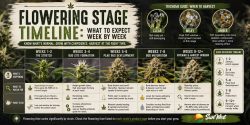
Flowering Stage Timeline: What to Expect Week by Week
Flowering typically runs 7-12 weeks depending on strain, and it







Marijuana allergies are a topic of growing interest due to the increasing use of cannabis products for medicinal and recreational purposes. At Sunwest Genetics, we aim to provide comprehensive information on this subject to help individuals make informed decisions regarding their health and well-being. Understanding the complexities of marijuana allergies is crucial for users and cannabis allergy treatment professionals alike.
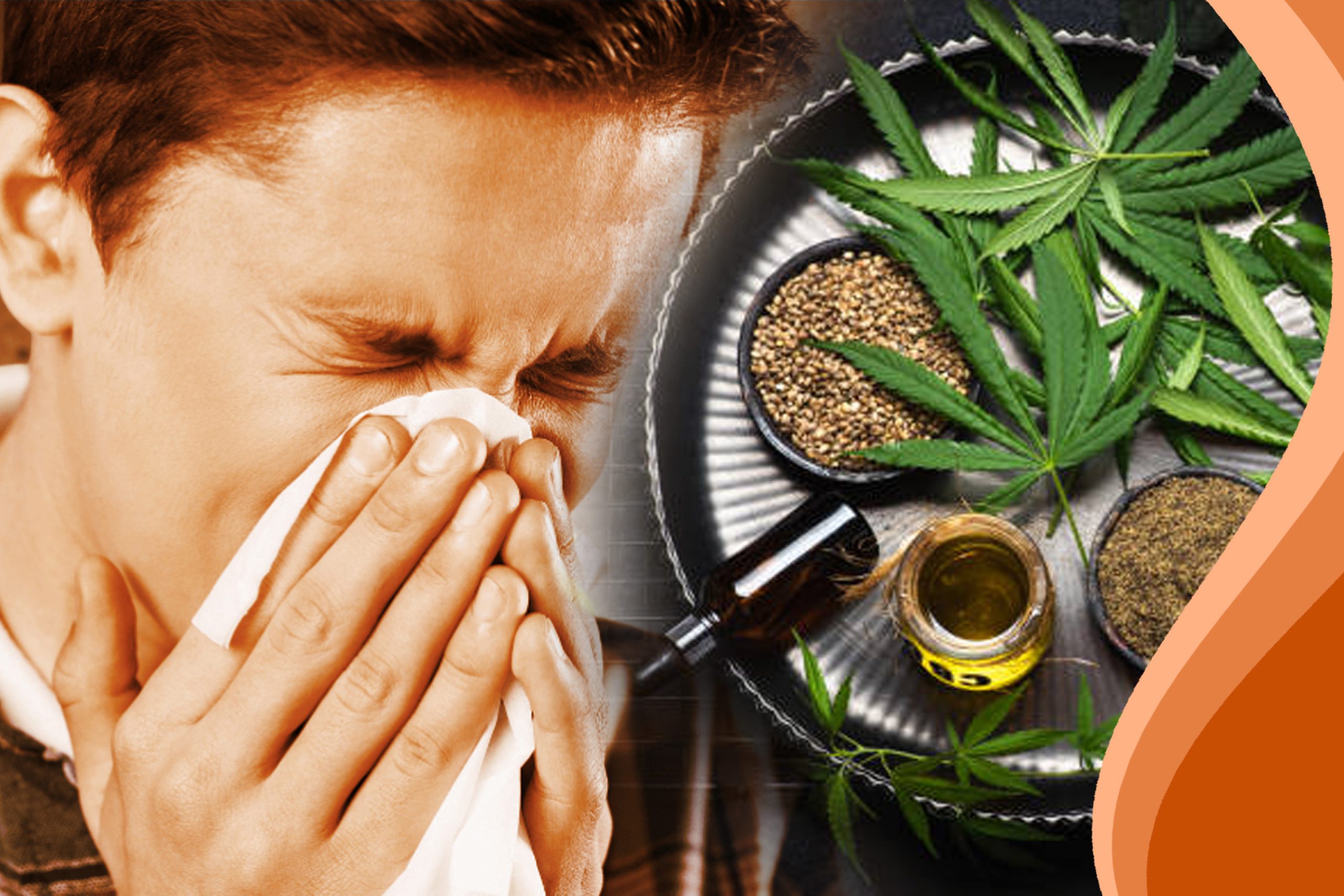
Marijuana allergies can stem from various components of the cannabis plant, including pollen, terpenes, and proteins. These allergens can trigger immune responses in susceptible individuals, leading to allergic reactions. It’s important to note that not everyone exposed to marijuana will develop allergies, as individual sensitivity plays a significant role.
Pollen from marijuana plants is a common allergen that can cause respiratory symptoms such as coughing, sneezing, and wheezing. Terpenes, the aromatic compounds in cannabis, may also contribute to allergic reactions, particularly in individuals with sensitivities to fragrances. Additionally, proteins found in marijuana can elicit immune responses, resulting in skin rashes, hives, and digestive issues.
Understanding the specific allergens within marijuana can help healthcare professionals diagnose and manage allergies effectively. Research into the molecular components of cannabis allergens is ongoing, providing valuable insights into allergy mechanisms and potential treatments.
Respiratory Symptoms
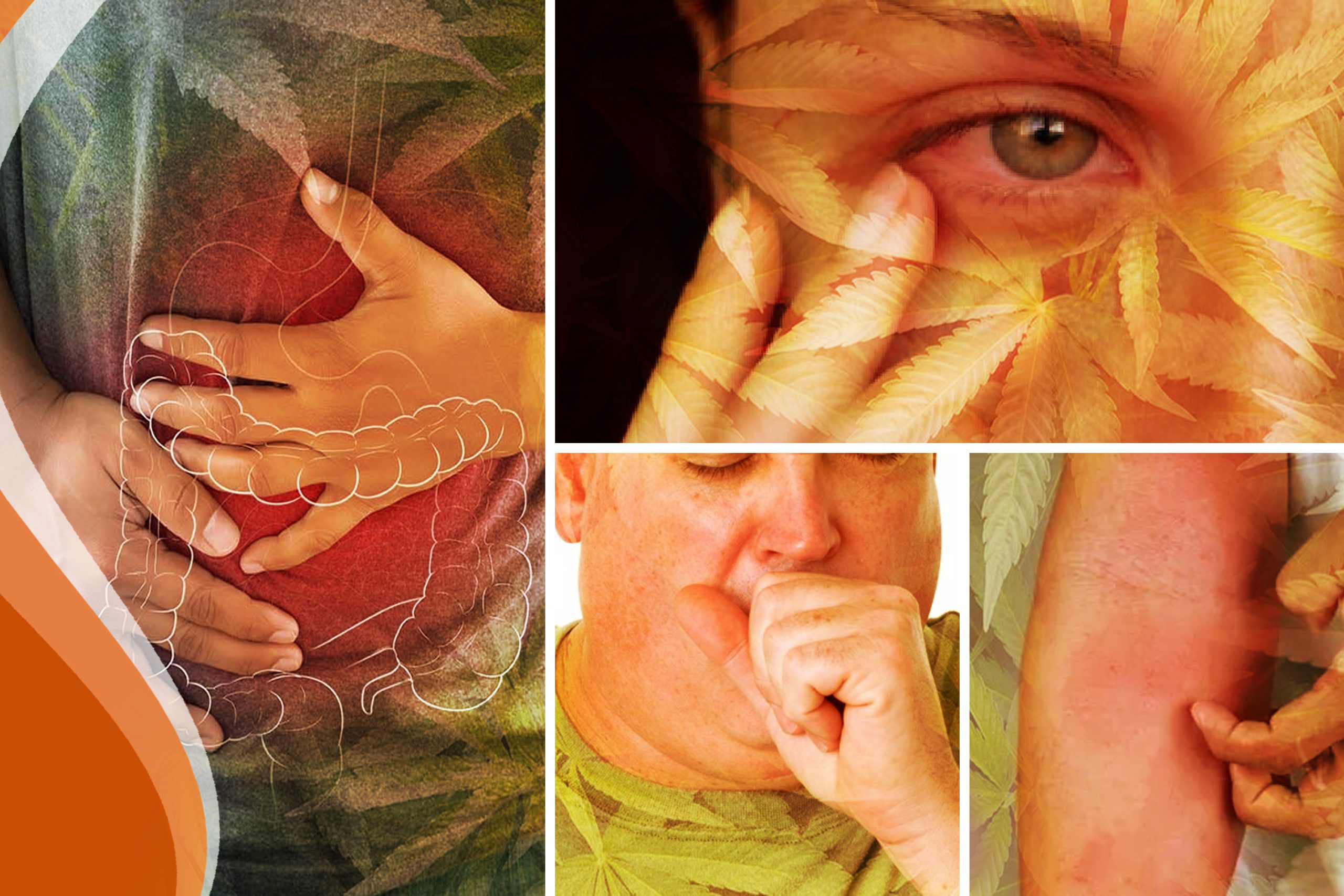
Respiratory symptoms are among the most common manifestations of allergic to THC. Individuals may experience persistent coughing, especially after inhaling marijuana smoke or being in proximity to cannabis plants. Sneezing is another prevalent symptom, often accompanied by nasal congestion and a runny or stuffy nose. Wheezing and shortness of breath can occur in more severe cases, particularly in individuals with underlying respiratory conditions.
Skin Reactions
Marijuana allergies can manifest as various skin reactions, ranging from mild itching to severe rashes and hives. Contact dermatitis, characterized by redness, swelling, and irritation of the skin, may occur after handling marijuana plants or products. Some individuals may develop eczema-like symptoms, with dry, scaly patches and weed-making itchy, especially in areas of repeated exposure.
Digestive Issues
Ingesting marijuana-infused products can lead to digestive issues in individuals with cannabis allergies. Nausea and vomiting are common symptoms, particularly after consuming edibles or concentrates. Abdominal pain or discomfort may also occur, along with diarrhea or gastrointestinal upset. These symptoms can significantly impact a person’s quality of life and may require medical intervention for management.
Eye Irritation
Exposure to marijuana smoke or airborne particles can irritate the eyes, leading to redness, itching, and discomfort. Individuals with hemp allergy rash may experience eye irritation as a result of environmental exposure or direct contact with cannabis products. Managing eye symptoms may involve avoiding smoke-filled environments and using eye drops for relief.
Proper identification of pot allergies is essential for accurate diagnosis and effective management. Healthcare professionals may use a combination of medical history, physical examinations, and diagnostic tests to assess allergic reactions to cannabis. Skin prick tests, where small amounts of allergens are introduced to the skin, can help identify specific triggers. Blood tests may also measure allergen-specific antibodies to confirm allergies.
In some cases, healthcare providers may conduct oral challenges under controlled conditions to observe allergic reactions after ingesting cannabis-derived products. It’s crucial for individuals experiencing allergy symptoms to seek medical evaluation promptly to determine the underlying cause and develop a tailored management plan.
Avoidance
The most effective strategy for managing marijuana allergies is avoidance of allergen exposure. Individuals diagnosed with cannabis allergies should refrain from using marijuana products in any form, including smoking, vaping, or consuming edibles. Environmental control measures, such as using air purifiers and minimizing contact with cannabis smoke or pollen, can help reduce allergen exposure.
Medication
Symptomatic relief from marijuana allergies may be achieved through medication. Over-the-counter antihistamines can alleviate symptoms like sneezing, itching, and nasal congestion. Nasal corticosteroids may reduce inflammation in the nasal passages, improving breathing and reducing congestion. In severe cases of allergic reactions, healthcare providers may prescribe oral corticosteroids or epinephrine auto-injectors for emergency use.
Allergy Management Plan
Developing a comprehensive allergy management plan is essential for individuals with marijuana allergies. This plan should include regular follow-ups with healthcare providers to monitor symptoms and adjust treatment as needed. Educating patients about allergen avoidance strategies, symptom recognition, and emergency protocols is crucial for effective management. Individuals at risk of severe allergic reactions (anaphylaxis) should carry an epinephrine auto-injector and receive proper training on its use.
Marijuana allergies can pose significant challenges for users, requiring a proactive approach to identification and management. By understanding the symptoms, allergen triggers, and appropriate interventions, individuals can minimize the impact of marijuana allergies on their daily lives. At Sunwest Genetics], we prioritize education, awareness, and personalized care to support individuals with cannabis allergies and promote optimal health outcomes.
1. Can marijuana allergies develop suddenly, or is there a gradual onset?
Marijuana allergies can develop suddenly upon exposure to cannabis allergens. However, some individuals may experience a gradual increase in allergic symptoms over time with repeated exposure.
2. Are there specific strains or types of marijuana that are less likely to cause allergic reactions?
While research on this topic is ongoing, there is no definitive evidence to suggest that certain strains or types of marijuana are less likely to cause allergic reactions. Sensitivity to cannabis allergens can vary among individuals.
3. Can topical cannabis products cause skin allergies, and how can they be identified?
Yes, topical cannabis products can trigger skin allergies, leading to symptoms such as redness, itching, and rashes. Allergic reactions to topical cannabis can be identified through patch testing or dermatological evaluations.
4. Is it possible to outgrow a marijuana allergy, or is it a lifelong condition?
Some individuals may outgrow marijuana allergies over time, especially if allergen exposure is minimized or avoided. However, for others, marijuana allergies may persist as a lifelong condition requiring ongoing management.
5. Can secondhand marijuana smoke lead to allergic reactions in non-users?
While secondhand marijuana smoke may irritate the respiratory system in non-users, causing symptoms like coughing or eye irritation, true allergic reactions typically occur in individuals with specific sensitivities to cannabis allergens.
Flowering typically runs 7-12 weeks depending on strain, and it

Neither method is objectively “better” — they trade off cost,
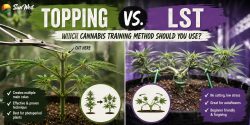
Left alone, a cannabis plant grows one dominant main cola

Overfeeding is the single most common mistake new growers make