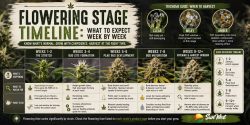
Flowering Stage Timeline: What to Expect Week by Week
Flowering typically runs 7-12 weeks depending on strain, and it
 ,
Canadian orders ship from Canada
,
Canadian orders ship from Canada
 .
.



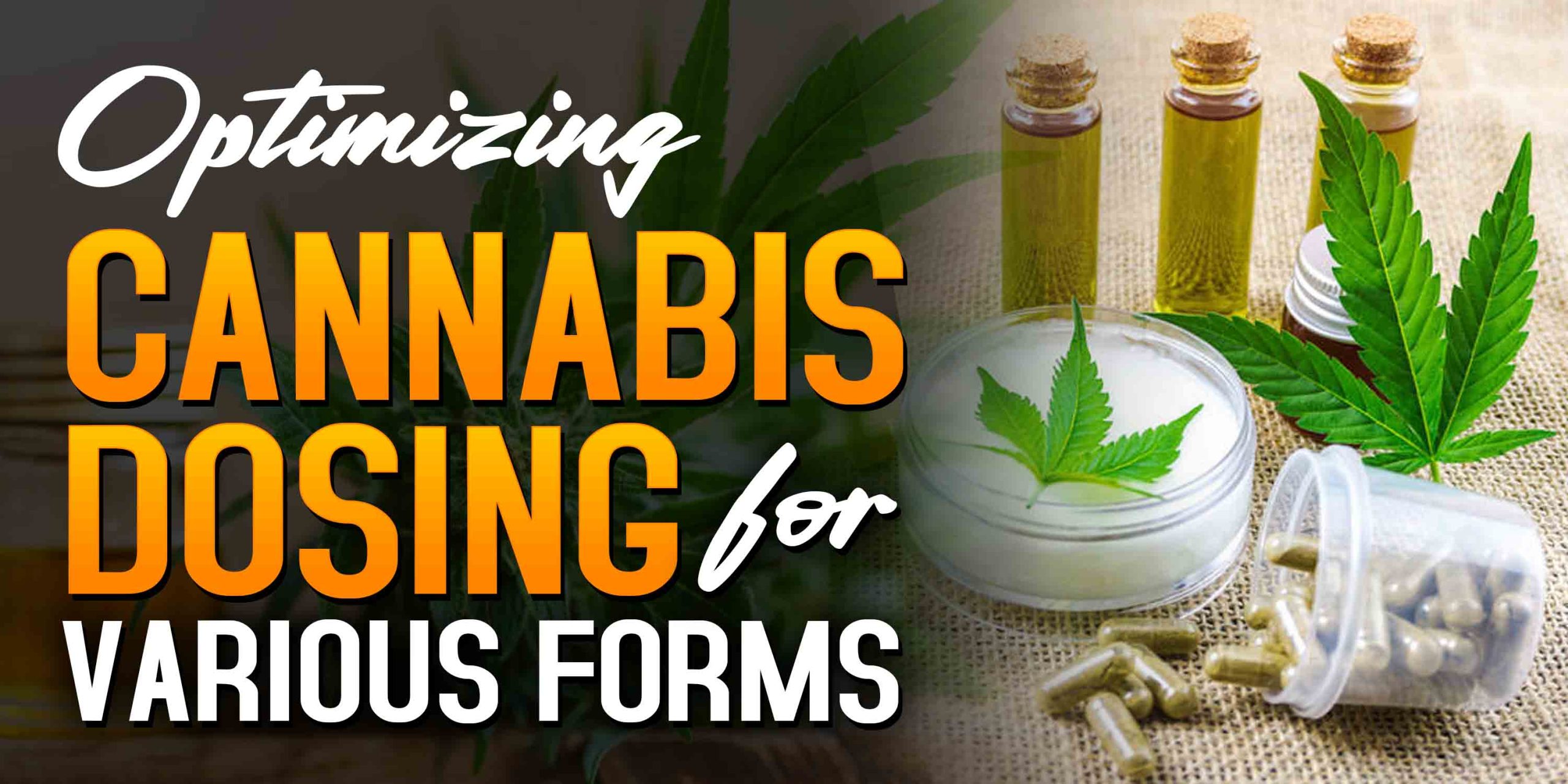
In cannabis consumption, proper dosing is paramount for achieving desired effects while mitigating potential risks. Understanding the nuances of cannabis dosing involves a multifaceted approach that encompasses various factors, including cannabinoid content, individual tolerance levels, and consumption methods. This comprehensive guide aims to elucidate the intricacies of hash dosage, providing users with the knowledge and tools necessary to navigate the diverse landscape of cannabis products.

1. Cannabinoid Content
The cannabinoid profile of cannabis products varies widely, influencing their potency and effects. THC content can range from negligible amounts to levels that induce profound intoxication. On the other hand, CBD, while non-intoxicating, can modulate the effects of THC and offer therapeutic benefits. Consumers must familiarize themselves with product labeling and lab reports to ascertain cannabinoid concentrations and make informed dosing decisions.
2. Tolerance Level
Individual tolerance to cannabis is influenced by several factors, including genetics, frequency of use, metabolism, and previous experiences with cannabis. Novice users and those with low tolerance levels are more susceptible to the psychoactive effects of THC and should exercise caution when dosing. Conversely, long-term, frequent users may develop a tolerance, requiring higher doses to achieve the same effects. Understanding one’s tolerance level is crucial for tailoring doses to individual needs.
3. Consumption Method
The method of cannabis consumption significantly impacts dosing considerations due to variations in onset, duration, and bioavailability. Inhalation methods, such as smoking and vaporizing, deliver cannabinoids rapidly into the bloodstream, resulting in quicker onset and shorter duration of effects. In contrast, oral consumption, such as edibles and tinctures, undergoes metabolism in the liver, leading to delayed onset and prolonged effects. Additionally, factors such as diet, hydration, and metabolism can influence the absorption and metabolism of cannabinoids, further complicating dosing calculations.

Smoking and vaporizing are popular methods of cannabis consumption known for their rapid onset of effects and precise dosing capabilities. When smoking cannabis flower, users can control dosage by measuring the amount of herb used and adjusting inhalation techniques. Vaporizing offers a cleaner alternative, heating cannabis to release cannabinoids and terpenes without combustion. Both methods allow for titration of dosage based on individual response, making them suitable for both novice and experienced users.
Dosage Considerations:

Edibles encompass a wide range of cannabis-infused products, including gummies, chocolates, baked goods, and beverages. Unlike smoking or vaporizing, which deliver cannabinoids directly into the bloodstream, edibles undergo digestion and metabolism in the gastrointestinal tract, resulting in delayed onset and prolonged duration of effects. Proper dosing of edibles requires careful consideration of factors such as potency, serving size, and individual metabolism to avoid overconsumption and mitigate the risk of adverse reactions.
Dosage Considerations:

Cannabis tinctures offer a discreet and convenient method of dosing, allowing users to administer precise doses sublingually or add them to food and beverages. Tinctures are typically alcohol or oil-based extracts infused with cannabinoids, offering fast-acting relief with customizable dosing options. Using a calibrated dropper, users can measure precise doses and adjust accordingly based on individual needs and desired effects.
Dosage Considerations:

Cannabis topicals encompass diverse products, including creams, lotions, balms, and transdermal patches, designed for localized relief of pain, inflammation, and skin conditions. Unlike other methods of cannabis consumption, topicals do not produce psychoactive effects, as cannabinoids are absorbed through the skin without reaching the bloodstream. Proper dosing involves applying enough topical to the affected area and massaging gently for optimal absorption and efficacy.
Dosage Considerations:
1. Start Low, Go Slow
The cardinal rule of cannabis dosing is to start with a low dose and gradually titrate upwards until desired effects are achieved. This approach minimizes the risk of overconsumption and allows users to gauge their tolerance levels accurately.
2. Know Your Limits
Understanding personal tolerance levels and recognizing the signs of overconsumption, such as increased heart rate, anxiety, and impaired coordination, is essential for responsible cannabis use. Users should be prepared to scale back or abstain from further consumption if adverse effects occur.
3. Read Product Labels
Thoroughly reviewing product labels and accompanying documentation, including lab reports and certificates of analysis, enables consumers to make informed decisions about potency, dosing recommendations, and potential allergens or contaminants.
4. Seek Professional Advice
When in doubt, seek guidance from healthcare professionals, cannabis educators, or experienced budtenders who can provide personalized recommendations based on individual health status, medication use, and desired outcomes.
Mastering the art of cannabis dosing is a journey that requires patience, education, and self-awareness. By considering factors such as cannabinoid content, consumption method, and individual tolerance levels, users can tailor their dosages to achieve optimal therapeutic effects while minimizing the risk of adverse reactions. With proper education and responsible dosing practices, cannabis can be integrated into a holistic wellness regimen, offering relief and enhancing the overall quality of life.
Flowering typically runs 7-12 weeks depending on strain, and it

Neither method is objectively “better” — they trade off cost,
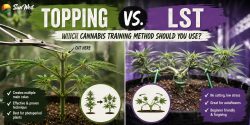
Left alone, a cannabis plant grows one dominant main cola
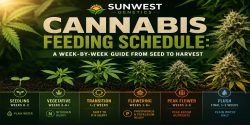
Overfeeding is the single most common mistake new growers make