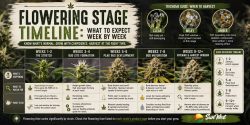
Flowering Stage Timeline: What to Expect Week by Week
Flowering typically runs 7-12 weeks depending on strain, and it
 ,
Canadian orders ship from Canada
,
Canadian orders ship from Canada
 .
.








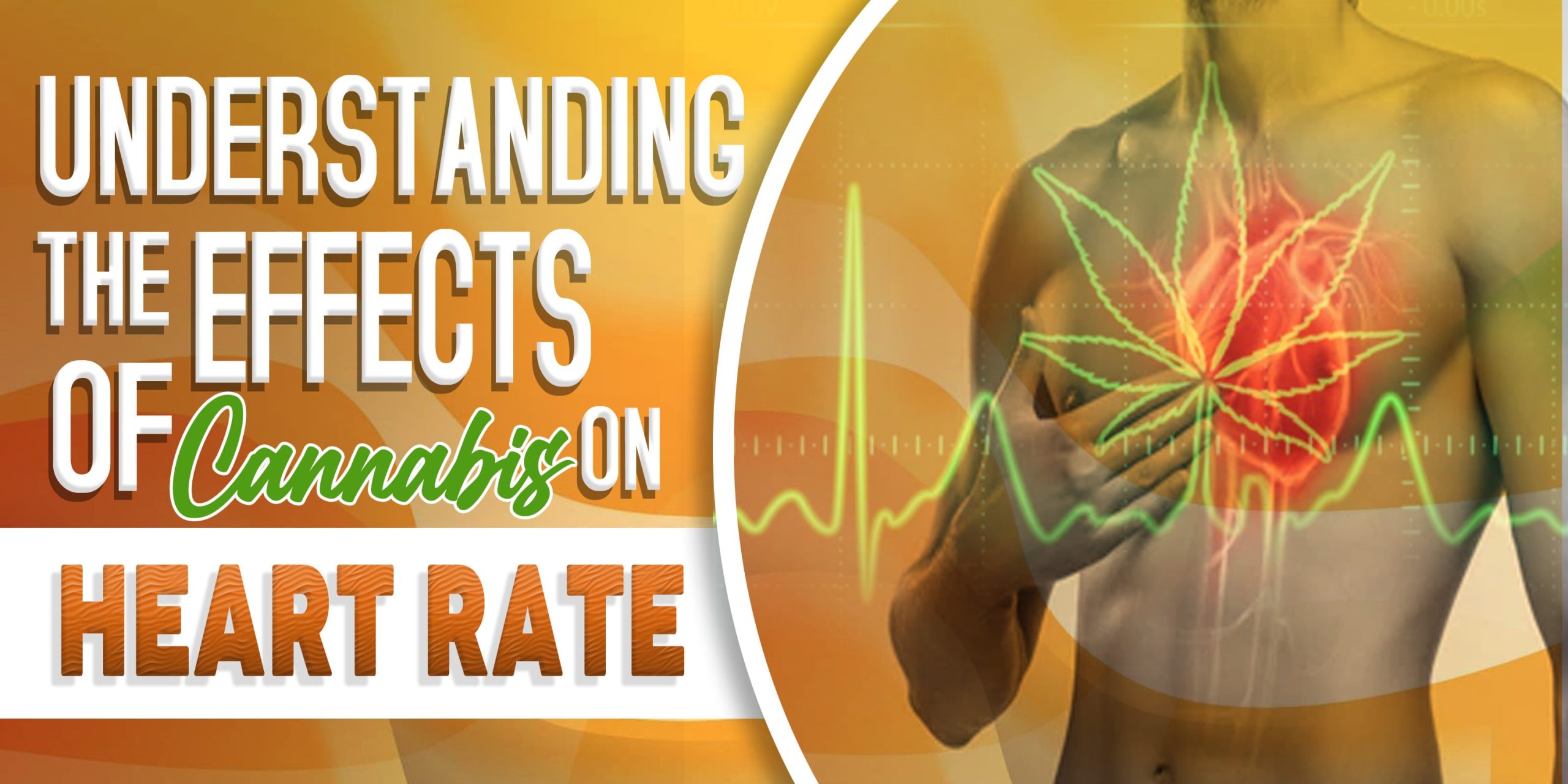
In today’s discussions about using cannabis and how it affects our hearts, it’s really important to understand how cannabis impacts our heart rate. This thorough analysis aims to dig deep into this complex relationship, pulling together real-life evidence and scientific studies to build a strong base for smart conversations.
Cannabis comes from the Cannabis sativa plant and has a bunch of different parts to it. The main ones we talk about are tetrahydrocannabinol (THC) and cannabidiol (CBD). THC is what makes you feel high, while CBD might have some good effects without making you feel funny. Figuring out how these heart rate 120 affects after smoking weed means we need to look at them from a lot of different angles.

Looking into how cannabis affects your heart rate right away shows a mix of things happening in your body because of the cannabinoids in cannabis. When we take cannabis, the THC in it quickly starts working with some receptors in our heart and blood vessels. This sets off a chain reaction that ends up making our heart beat faster, which we call tachycardia. Usually, this faster heartbeat kicks in just a few minutes after we’ve taken cannabis. But how fast and how long it lasts depends on stuff like how much we took, how we took it, how used to it our bodies are, and how strong the cannabis is.
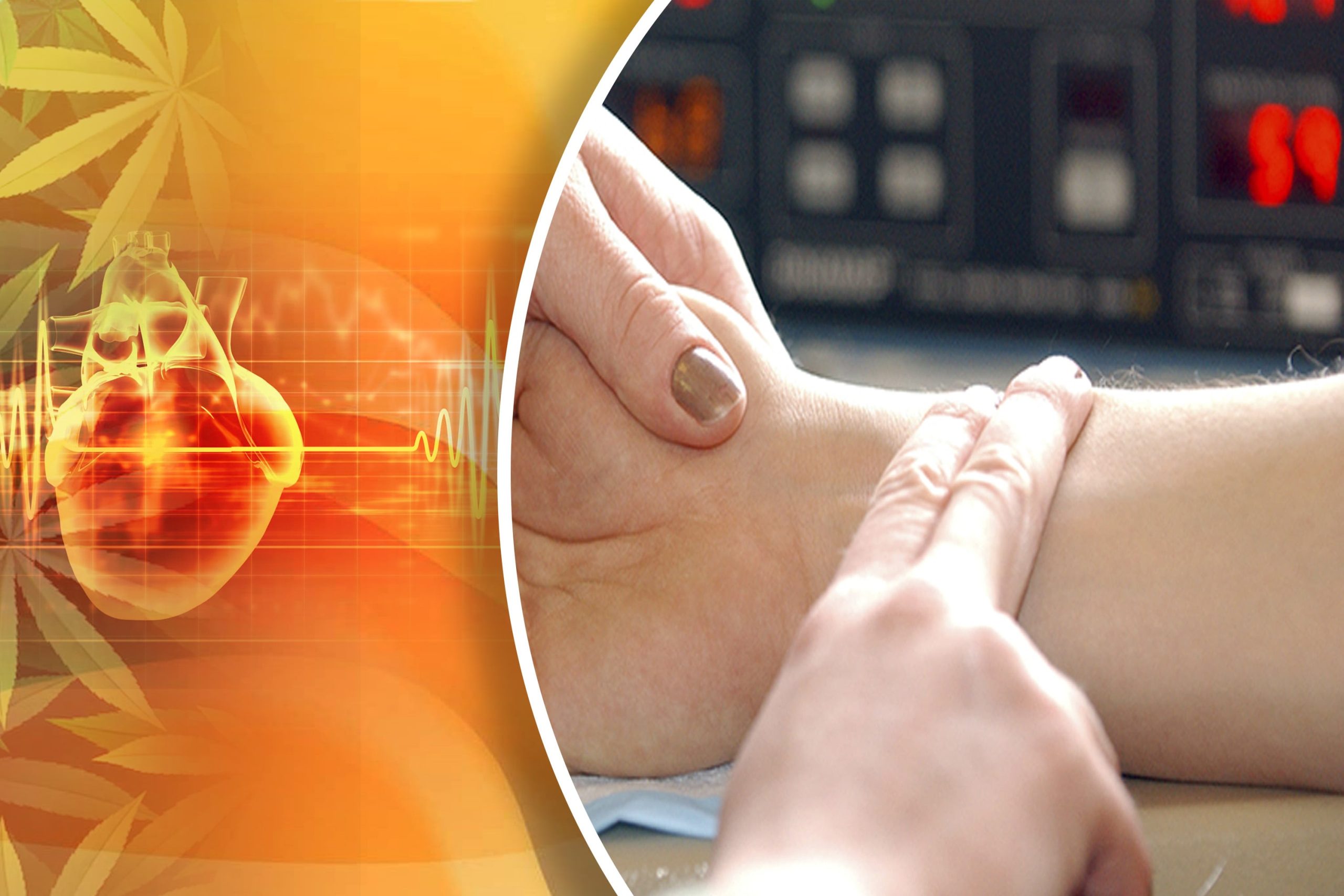
The mechanisms underpinning the elevation of heart rate after cannabis consumption are multifaceted and merit meticulous examination. THC’s interaction with cannabinoid receptors in cardiac tissues triggers vasodilation, thereby augmenting cardiac output and inducing tachycardia. Moreover, THC’s propensity to stimulate the release of adrenaline further exacerbates this physiological response, amplifying heart rate elevation. Understanding these intricate mechanisms provides invaluable insights into the acute cardiovascular effects of cannabis.
Acknowledging the inherent variability in individual responses to cannabis consumption can increase your heart rate underscores the need for personalized considerations in assessing its cardiovascular impact. An individual’s baseline cardiovascular health, genetic predispositions, concomitant medication use, and past cannabis exposure collectively shape their unique response profile. Consequently, individuals with pre-existing cardiovascular conditions should exercise prudence and consult with healthcare professionals to evaluate the potential risks associated with cannabis use.
Delving into the long-term implications of cannabis use on cardiovascular health necessitates a comprehensive exploration of emerging research findings and clinical insights. While acute increases in heart rate following cannabis consumption are well-documented, elucidating the enduring cardiovascular consequences remains an ongoing endeavor. Current evidence suggests a potential association between chronic cannabis use and adverse cardiovascular outcomes, including an elevated risk of cardiovascular events such as myocardial infarction and stroke.
In juxtaposition to the purported risks, emerging evidence also highlights the potential cardiovascular benefits associated with certain components of cannabis, particularly CBD. CBD’s anti-inflammatory and antioxidative properties have garnered attention for their potential cardioprotective effects, with studies suggesting a mitigating influence on cardiovascular risk factors such as hypertension and atherosclerosis. However, further research is warranted to elucidate the mechanistic underpinnings of CBD’s cardiovascular effects and establish optimal therapeutic protocols.
Navigating the intricate terrain of cannabis’s effects on heart rate necessitates a nuanced understanding of its acute and long-term cardiovascular implications. While cannabis consumption can elicit immediate increases in heart rate attributed to THC’s pharmacological effects, individual responses may vary based on a myriad of factors. Prudent consideration of these factors, coupled with evidence-based insights, is paramount in fostering informed discussions and guiding clinical practice. As the landscape of cannabis research continues to evolve, prioritizing rigorous scientific inquiry remains essential in elucidating the complex interplay between cannabis and cardiovascular health.
1. Does cannabis affect heart rate differently depending on the method of consumption?
Yes, the method of cannabis consumption can influence its impact on heart rate. Inhalation methods like smoking or vaping typically result in a more rapid onset of effects, including increased heart rate, compared to oral consumption methods like edibles.
2. Can cannabis-induced tachycardia pose risks for individuals with pre-existing heart conditions?
Yes, individuals with pre-existing heart conditions should exercise caution when using cannabis, as the temporary elevation in heart rate (tachycardia) may exacerbate underlying cardiovascular issues and potentially trigger adverse events.
3. Are there any factors that may mitigate the increase in heart rate caused by cannabis use?
Some individuals may experience a less pronounced increase in heart rate with cannabis use due to factors such as tolerance development, concurrent use of CBD-rich strains, or engagement in relaxation techniques during consumption.
4. Does the strain of cannabis impact its effects on heart rate?
Yes, the cannabinoid composition and potency of different cannabis strains can influence their effects on heart rate. Strains with higher THC content may induce more significant increases in heart rate compared to those with balanced THC: CBD ratios or predominantly CBD.
5. Is there a recommended waiting period after consuming cannabis before engaging in physical activity to mitigate potential cardiovascular risks?
It is advisable to allow sufficient time for the acute effects of cannabis, including changes in heart rate, to subside before engaging in strenuous physical activity. Waiting at least several hours after consumption is recommended to minimize the risk of adverse cardiovascular events during exercise.
Flowering typically runs 7-12 weeks depending on strain, and it

Neither method is objectively “better” — they trade off cost,

Left alone, a cannabis plant grows one dominant main cola

Overfeeding is the single most common mistake new growers make